END OF YEAR QUESTIONNAIRES
Aimee Pivott
Now’s a great time to get started on our end‑of‑year questionnaires — before the months fly by and the job takes four times as long!
👉 Click the link below to head to our website.
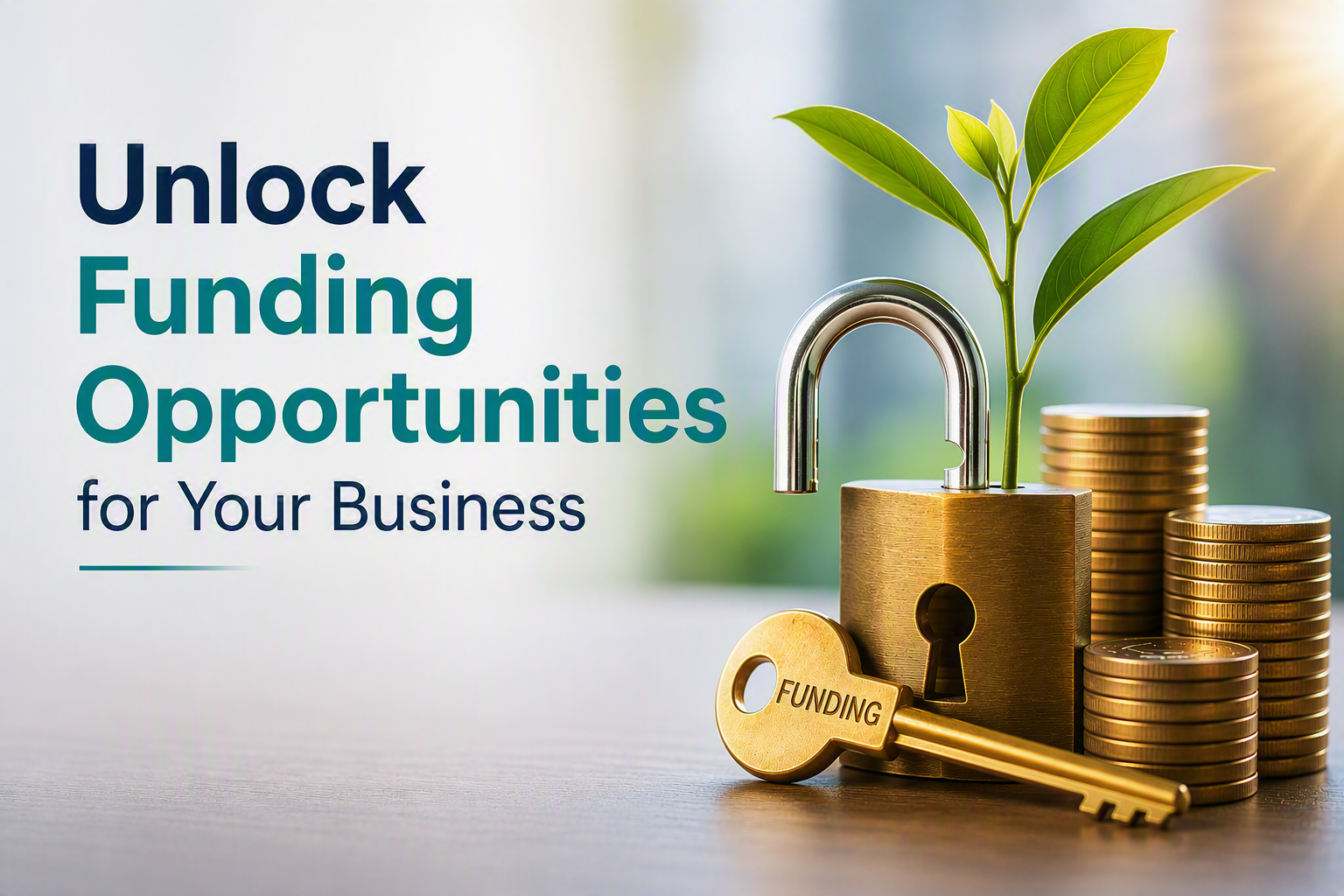
Did you know there may be grants, loans, and other funding options available to help your business grow, innovate, upskill staff, improve sustainability, or invest in new equipment?
The Funding Explorer from Business.govt.nz is a free tool that helps New Zealand businesses identify funding and support programmes that m
Shortly you will be receiving information regarding our Audit Shield Master Policy, which we offer to our clients.
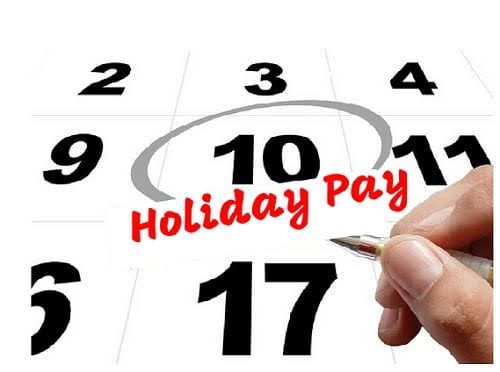
What New Zealand’s Holiday Pay Changes Mean for Employers and Employees After years of confusion, payroll errors, and costly remediation projects, New Zealand is set to replace the Holidays Act 2003 with a new employment leave framework designed to be simpler, clearer, and easier to administer. The Employment Leave Bill has now passed through Parliament, introducing significant changes to how leave is earned, taken, and paid. While the new law represents one of the biggest changes to leave entitlements in decades, it is important to note that the current Holidays Act remains in force during a transition period, with the new system expected to come into effect in 2028. Why Is the Holidays Act Being Replaced? The Holidays Act 2003 has long been criticised for being overly complex and difficult to apply, particularly for employees with variable hours, shift work arrangements, and changing work patterns. Numerous organisations across New Zealand have discovered holiday pay calculation errors, resulting in significant back-pay obligations to employees. The Government's goal is to create a leave system that is easier for both employers and employees to understand while reducing payroll compliance issues. The Biggest Changes Coming 1. Leave Will Accrue From Day One Under the current Holidays Act, employees generally become entitled to annual leave after 12 months of continuous employment and sick leave after six months. Under the new system, annual leave and sick leave will begin accruing from an employee's first day of work. This means employees will start building leave balances immediately rather than waiting for qualifying periods to pass. 2. Leave Will Be Measured in Hours One of the most significant reforms is the move away from calculating leave in weeks and days. Instead, leave entitlements will accrue and be tracked in hours. This change is expected to better reflect modern working arrangements, including part-time, casual, and flexible working patterns. 3. Employees Can Take Part-Day Leave Because leave will be recorded in hours, employees will have greater flexibility in how they use their leave. Rather than taking full days off, employees will be able to take only the hours they need. This could benefit employees who need time for appointments, family commitments, or shorter periods away from work. Workers can request to cash up to 25% of their annual leave balance, as at their last start date anniversary, up from the current maximum one week. 4. A Simpler Leave Payment System One of the most challenging aspects of the current law is determining the correct holiday pay calculation. Employers are often required to compare different payment methods to establish the correct amount. The new framework introduces a single hourly leave pay rate that applies across different types of leave, significantly simplifying payroll calculations. 5. Changes for Casual Workers and Additional Hours The new legislation introduces a 12.5% leave compensation payment for casual hours and additional hours worked beyond an employee's contracted standard hours. For many casual employees, this replaces the current 8% holiday pay model and may result in higher leave-related compensation being paid alongside wages. 6. Public Holiday Rules Will Be Clearer The legislation also introduces a revised "Otherwise Working Day" test, intended to make it easier to determine when an employee is entitled to public holiday benefits. This is expected to provide greater certainty for employers managing employees with changing work schedules. 7. Bereavement and Family Violence Leave Access The new law also improves access to certain leave entitlements. Bereavement leave and family violence leave will be available from the start of employment rather than requiring employees to complete a qualifying period first. What Employers Should Do Now Although the new framework has been approved, employers are not required to change their current payroll systems immediately. The existing Holidays Act still applies, and businesses must continue complying with current leave and holiday pay requirements until the new legislation takes effect. However, employers should begin preparing by: Reviewing current payroll systems. Monitoring guidance from Employment New Zealand and MBIE. Understanding how hours-based leave accrual will affect their workforce. Planning future payroll and HR system updates. Continuing to address any historical holiday pay errors under the current legislation. What This Means for Employees For employees, the reforms aim to make leave entitlements easier to understand and easier to access. Leave balances will grow from day one, calculations should become more transparent, and workers with non-standard schedules may find their entitlements better reflect the hours they actually work. Final Thoughts The replacement of the Holidays Act marks a major shift in New Zealand employment law. By moving to an hours-based system, simplifying leave payments, and allowing leave to accrue from the first day of employment, the Government hopes to eliminate many of the compliance and payroll challenges that have plagued employers for years. For now, the key message is simple: the current Holidays Act still applies, but both employers and employees should start familiarising themselves with the upcoming changes to ensure a smooth transition when the new framework comes into effect.
Understanding the MSD Flexi-Wage Subsidy in New Zealand
Supporting people into sustainable employment is a core focus of New Zealand’s Ministry of Social Development (MSD). One of the key initiatives designed to bridge the gap between job seekers and employers is the Flexi-Wage Subsidy. This programme plays an importan

Governance isn’t corporate red tape — and it’s not just for big companies.
For SMEs, governance is simply how decisions are made, monitored, and held accountable as the business grows.
It’s not just compliance. Even the Institute of Directors in New Zealand makes it clear governance is about strategic oversight and lon
If you or someone you know has a promising business idea but limited financial resources, you may qualify for WINZ support benefits created to assist New Zealanders in launching and developing their businesses.
Starting or growing a business in New Zealand can be exciting — but it can also be financially tough, especia

Stocktakes aren’t just a tick‑box task — they’re essential for protecting your financials.
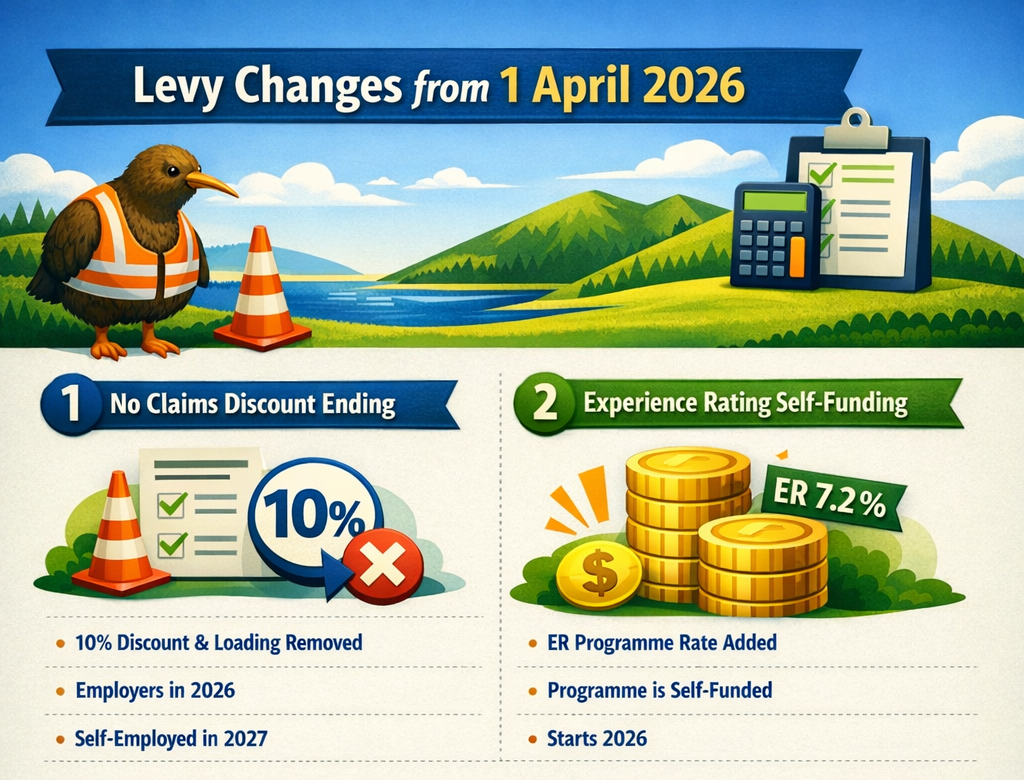
1. No Claims Discount is ending
The No Claims Discount will be discontinued because it hasn’t achieved the intended health and safety improvements and has required subsidising from other businesses.
What’s changing:
Levy invoices will no longer include a 10% discount or a 10% loading based on claims history

As the financial year wraps up, it’s a good time to check in on KiwiSaver, especially with several important changes coming over the next few years. Some affect how much you contribute, while others change what the Government puts in.

Depreciation might sound like an accounting buzzword — but it plays a HUGE role in your financial